

Understanding the Craft of Gunsmithing and Firearm Customization Skills
The world of firearms is vast and complex, with many layers of knowledge and skill involved in their maintenance, repair, and enhancement. One of the most specialized areas within this field is the craft of gunsmithing. This craft combines technical expertise, precision, and a deep understanding of firearms mechanics. Alongside gunsmithing, firearm customization skills play a crucial role in tailoring weapons to meet specific needs and preferences. In this post, I will share insights into these skills, their importance, and practical considerations for anyone interested in this field.
The Importance of Firearm Customization Skills
Firearm customization skills are essential for adapting a weapon to the unique requirements of its user. These skills involve modifying parts, adjusting mechanisms, and sometimes fabricating components to improve performance, comfort, or aesthetics. Customization can range from simple changes like installing new grips or sights to more complex alterations such as re-barreling or trigger tuning.
For example, a shooter might want to improve accuracy by installing a match-grade barrel or enhance handling by fitting ergonomic grips. These changes require knowledge of firearm design and the ability to work with various tools and materials. Firearm customization skills also include understanding how modifications affect safety and reliability, which is critical to responsible firearm ownership.
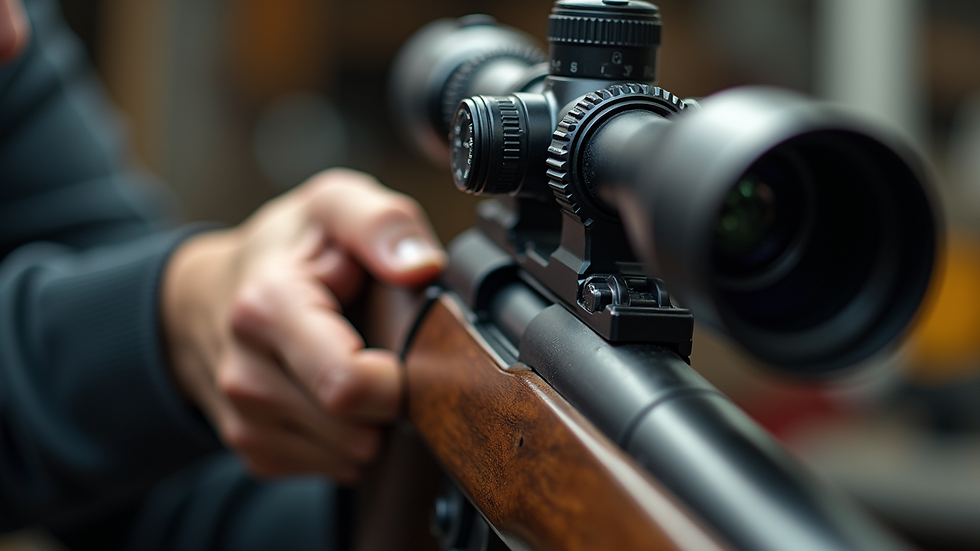
Tools and Techniques Used in the Craft
The craft of gunsmithing relies heavily on specialized tools and precise techniques. Common tools include:
Calipers and micrometers for measuring parts with high accuracy.
Lathes and milling machines for shaping metal components.
Files and polishing tools for finishing surfaces.
Torque wrenches to ensure proper assembly tension.
Ultrasonic cleaners for thorough cleaning of small parts.
Techniques vary depending on the task. For instance, fitting a new barrel requires careful alignment and headspacing to ensure the firearm functions safely. Trigger work involves adjusting sear engagement and pull weight to achieve a crisp, consistent trigger pull without compromising safety.
A practical example is the installation of a custom trigger on a semi-automatic pistol. This process involves disassembling the firearm, removing the factory trigger components, and installing aftermarket parts. The gunsmith must then fine-tune the trigger pull and reset to meet the shooter's preferences while maintaining safe operation.
Do gunsmiths make a lot of money?
The financial aspect of gunsmithing can vary widely based on experience, location, and the range of services offered. Entry-level gunsmiths may start with modest earnings, especially if working in retail or repair shops. However, those who develop advanced skills in firearm customization and build a reputation for quality work can command higher fees.
In regions with strong hunting and shooting communities, such as Texas, demand for gunsmithing services tends to be steady. Custom builds, repairs, and modifications can provide multiple revenue streams. Additionally, offering training and consultation can supplement income.
It is important to note that success in this field often depends on building trust and long-term relationships with clients. Precision, reliability, and professionalism are key factors that influence a gunsmith’s earning potential.
Training and Education Pathways
Becoming proficient in gunsmithing and firearm customization requires formal training combined with hands-on experience. Many aspiring gunsmiths attend specialized schools that offer comprehensive programs covering:
Firearm design and function
Metalworking and machining
Woodworking for stocks and grips
Safety standards and legal regulations
Troubleshooting and repair techniques
Apprenticeships with experienced gunsmiths provide invaluable real-world experience. Working under a mentor allows one to learn the nuances of the craft, from diagnosing issues to mastering complex customizations.
For those interested in continuous improvement, attending workshops and industry events can help keep skills current. Staying informed about new firearm models, materials, and technologies is essential for maintaining expertise.

Practical Tips for Firearm Maintenance and Customization
Whether you are a new gun owner or an enthusiast looking to expand your skills, understanding basic maintenance and customization principles is beneficial. Here are some practical tips:
Regular Cleaning - Keep your firearm clean to ensure reliable operation. Use appropriate solvents and lubricants recommended for your firearm type.
Inspect Parts - Regularly check for wear or damage, especially in moving parts like springs and firing pins.
Use Quality Parts - When customizing, choose parts from reputable manufacturers to maintain safety and performance.
Follow Manufacturer Guidelines - Always refer to the firearm’s manual for specific maintenance and modification instructions.
Seek Professional Help - For complex customizations or repairs, consult a qualified gunsmith to avoid compromising safety.
Document Changes - Keep records of any modifications made to your firearm for future reference and legal compliance.
By applying these tips, you can extend the life of your firearm and tailor it to your needs effectively.
Building a Community of Responsible Firearm Owners
The craft of gunsmithing and firearm customization is not just about technical skills; it also involves fostering a culture of responsibility and safety. In Copperas Cove, Texas, The Armament Shop aims to be a trusted resource for firearm sales, custom builds, expert gunsmithing, and comprehensive training.
Engaging with knowledgeable professionals and participating in training programs helps promote safe handling and proper maintenance. This approach benefits everyone by reducing accidents and enhancing the shooting experience.
For those interested in learning more about gunsmithing, connecting with local experts and investing in quality training is a wise step. It ensures that your firearms remain reliable and safe while allowing you to enjoy the full potential of your customized equipment.
Understanding the craft of gunsmithing and developing firearm customization skills requires dedication and attention to detail. Whether you are maintaining your first firearm or seeking to enhance your collection, these skills provide the foundation for safe and effective firearm ownership. With the right knowledge and support, you can confidently navigate this specialized field and enjoy the benefits it offers.


Comments