

Mastering Firearm Training Basics for Safety and Skill
When handling firearms, safety and skill are paramount. Whether you are a new gun owner or an experienced enthusiast, mastering the fundamentals of firearm training is essential. Proper training not only ensures your safety but also enhances your confidence and proficiency. In this post, I will share practical insights and actionable steps to help you develop a solid foundation in firearm handling and marksmanship.
Understanding Firearm Training Basics
Before diving into advanced techniques, it is crucial to grasp the basic principles of firearm use. These fundamentals serve as the building blocks for all future training and practice.
Safety First: Always treat every firearm as if it is loaded. This mindset prevents accidents and promotes responsible handling.
Know Your Firearm: Familiarize yourself with the specific model you own. Learn how to load, unload, and operate its safety mechanisms.
Proper Grip and Stance: A firm grip and stable stance improve control and accuracy. Your feet should be shoulder-width apart, and your body slightly leaned forward.
Sight Alignment and Sight Picture: Align the front and rear sights correctly and focus on the front sight while aiming at your target.
Trigger Control: Apply steady, controlled pressure on the trigger to avoid jerking the firearm off target.
By mastering these basics, you lay the groundwork for safe and effective shooting.

Essential Equipment and Range Preparation
Having the right equipment and preparing properly for range sessions are key to productive training.
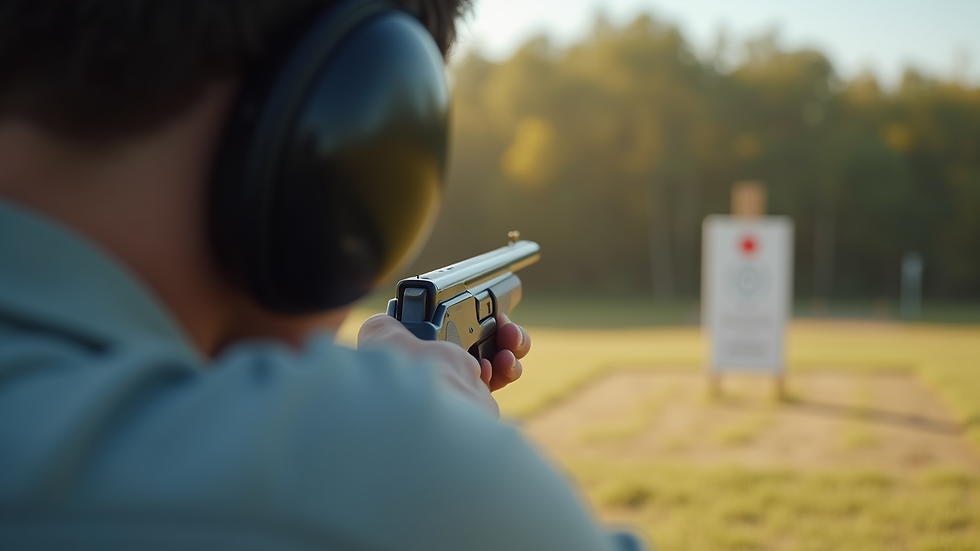
Eye and Ear Protection: Always wear safety glasses and hearing protection to prevent injury.
Ammunition: Use the correct caliber and type recommended for your firearm.
Targets: Choose targets that suit your training goals, such as paper bullseyes for accuracy or steel plates for immediate feedback.
Range Bag: Organize your gear including cleaning supplies, extra magazines, and a first aid kit.
Range Rules: Familiarize yourself with the specific rules of the shooting range you visit. This includes understanding commands, designated shooting areas, and emergency procedures.
Preparing thoroughly ensures your training sessions are safe, efficient, and focused.
Developing Consistent Practice Habits
Consistency is vital to improving your shooting skills. Establishing a regular practice routine helps reinforce good habits and builds muscle memory.
Set Clear Goals: Define what you want to achieve in each session, such as improving accuracy or mastering reloads.
Warm-Up Drills: Start with dry-fire exercises to practice trigger control and sight alignment without live ammunition.
Live-Fire Practice: Focus on controlled, deliberate shots rather than speed. Quality over quantity leads to better skill development.
Record Your Progress: Keep a training journal noting your scores, challenges, and areas for improvement.
Seek Feedback: If possible, train with a qualified instructor who can provide guidance and correct mistakes.
Regular, focused practice is the path to mastery.
Advanced Techniques and Skill Building
Once you have a solid grasp of the basics, you can begin to incorporate more advanced skills into your training.
Reloading Drills: Practice both tactical and emergency reloads to improve speed and efficiency.
Shooting Positions: Train from various stances such as kneeling, prone, and barricade positions to adapt to different scenarios.
Movement and Shooting: Learn to shoot accurately while moving to simulate real-life situations.
Malfunction Drills: Practice clearing common firearm malfunctions quickly and safely.
Use of Cover: Understand how to use cover effectively while maintaining sight of your target.
These techniques enhance your versatility and preparedness.
The Importance of Professional Guidance
While self-study and practice are valuable, professional instruction can accelerate your learning and ensure you develop safe habits.
Certified Instructors: Look for trainers with recognized certifications and experience.
Structured Courses: Enroll in courses that cover safety, marksmanship, and tactical skills.
Personalized Feedback: Instructors can identify and correct errors you might not notice on your own.
Legal and Ethical Training: Professionals also provide education on the legal responsibilities of firearm ownership.
Investing in expert training supports responsible gun ownership and skill development.
Building a Community of Responsible Gun Owners
Engaging with a local firearms community can provide support, motivation, and shared knowledge.
Join Clubs or Groups: Participate in local shooting clubs or online forums.
Attend Events: Take part in competitions, workshops, and seminars.
Share Knowledge: Help others by sharing your experiences and learning from theirs.
Promote Safety: Advocate for safe practices and responsible ownership within your community.
A strong community fosters a culture of respect and continuous improvement.
Mastering firearm training is a journey that requires dedication, patience, and respect for safety. By focusing on the fundamentals, preparing properly, practicing consistently, and seeking professional guidance, you can develop the skills needed to handle firearms confidently and responsibly. For those interested in comprehensive firearms training, The Armament Shop in Copperas Cove, Texas, offers expert instruction tailored to all skill levels.


Comments